Kamila Hurnaum
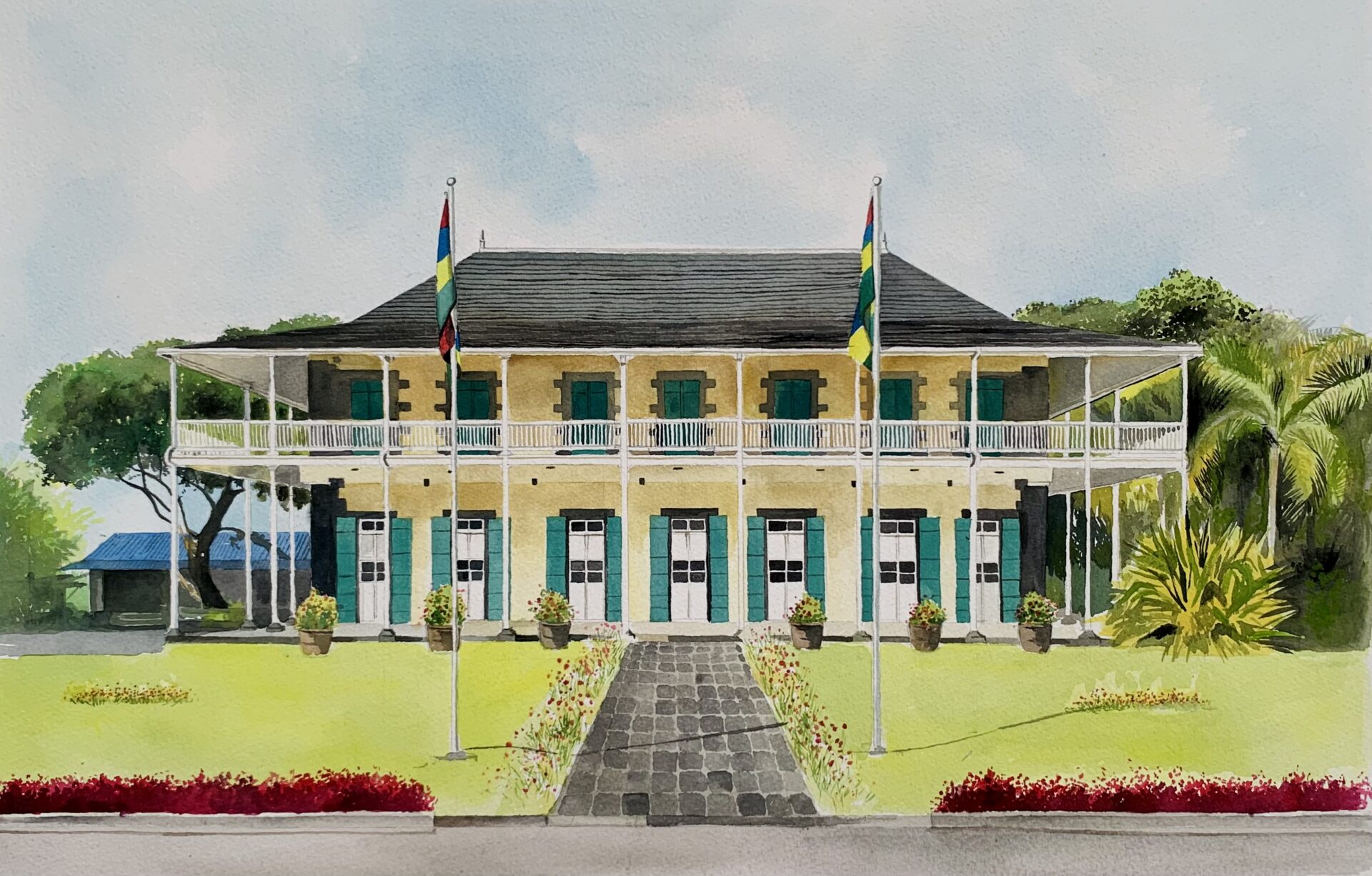
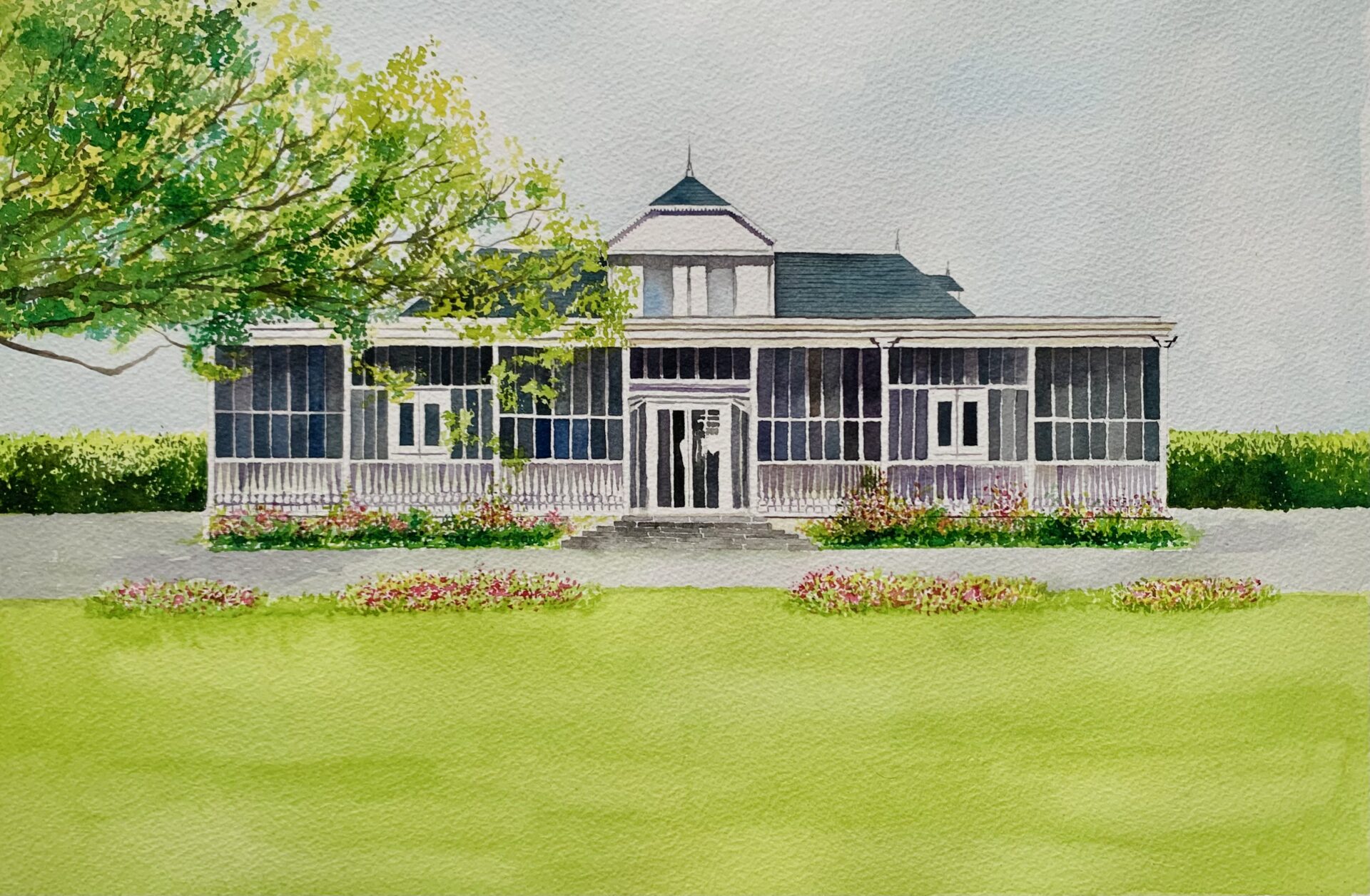
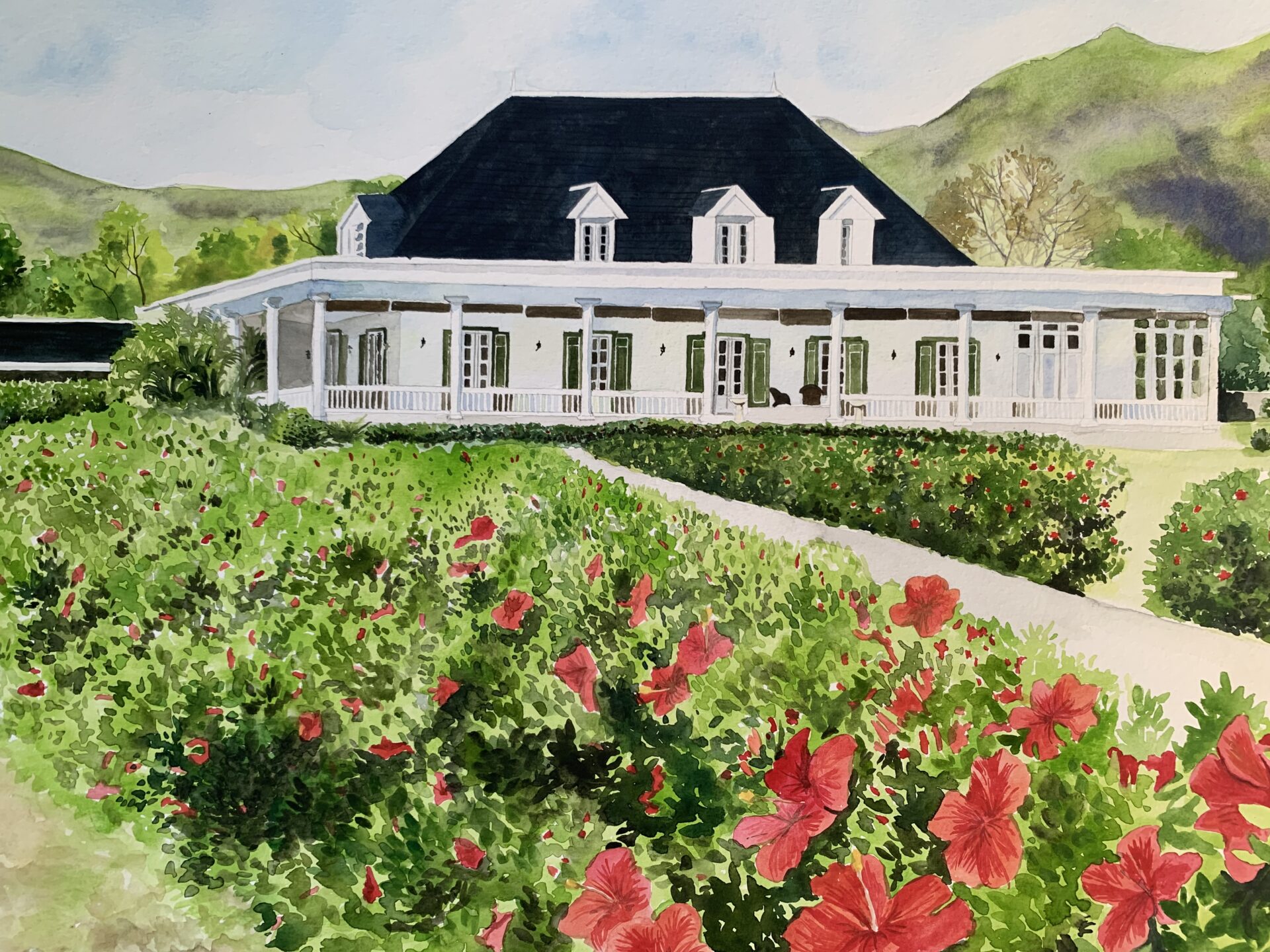
From a young age, Kamila Hurnaum, a Mauritius painter, expresses through color and shape what words did not allow her to say. Where others wrote, she drew; where others spoke, she painted, finding in artistic creation her most intimate language and her privileged outlet. Graduated from the Mauritius Institute of Education and the Mauritius University of Technology in Graphic Design, she developed a self-taught approach to painting, refining her technique through workshops with other artists and constant personal research. As a visual arts teacher at St. Bartholomew’s College for twenty years, she shares her passion by also giving classes in her Grand-Baie workshop to children and adults. Her artistic practice, ranging from oil to aquarium, has been enriched by the will to explore new technologies, and is now constantly developing
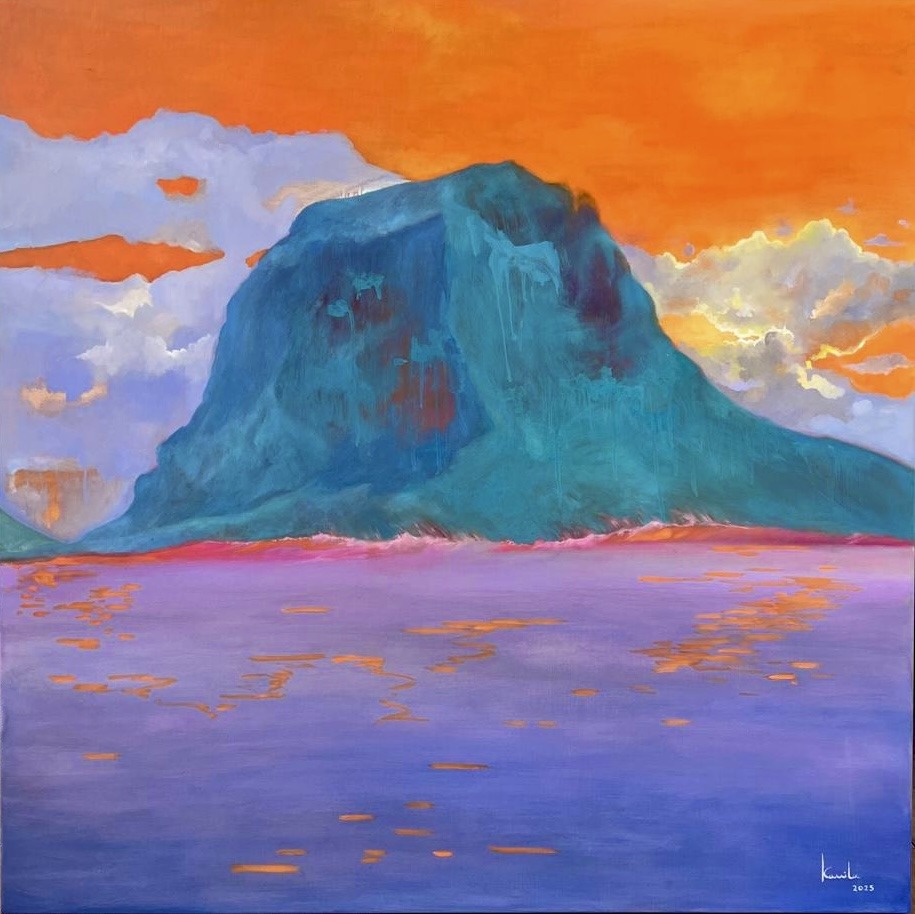
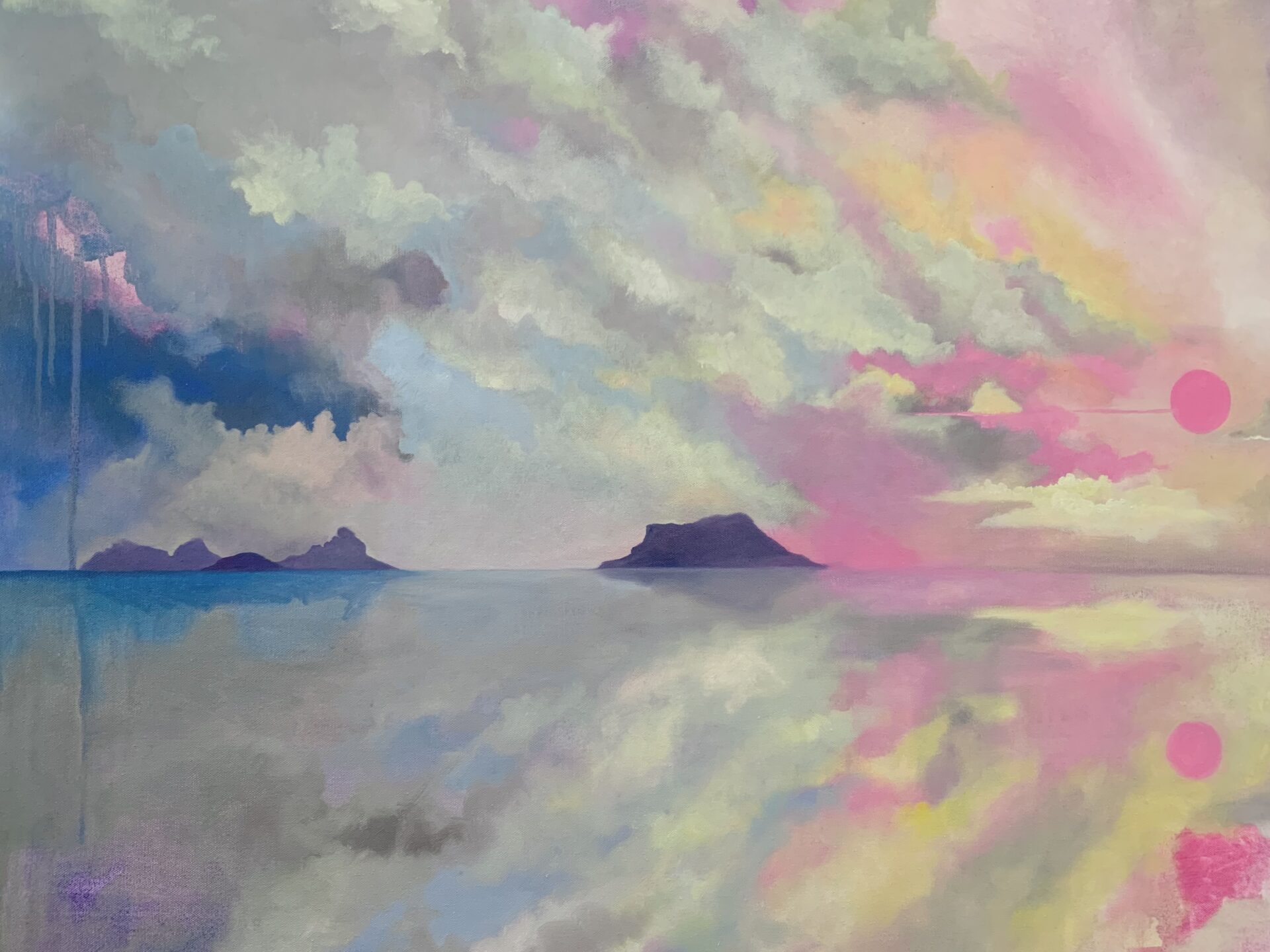
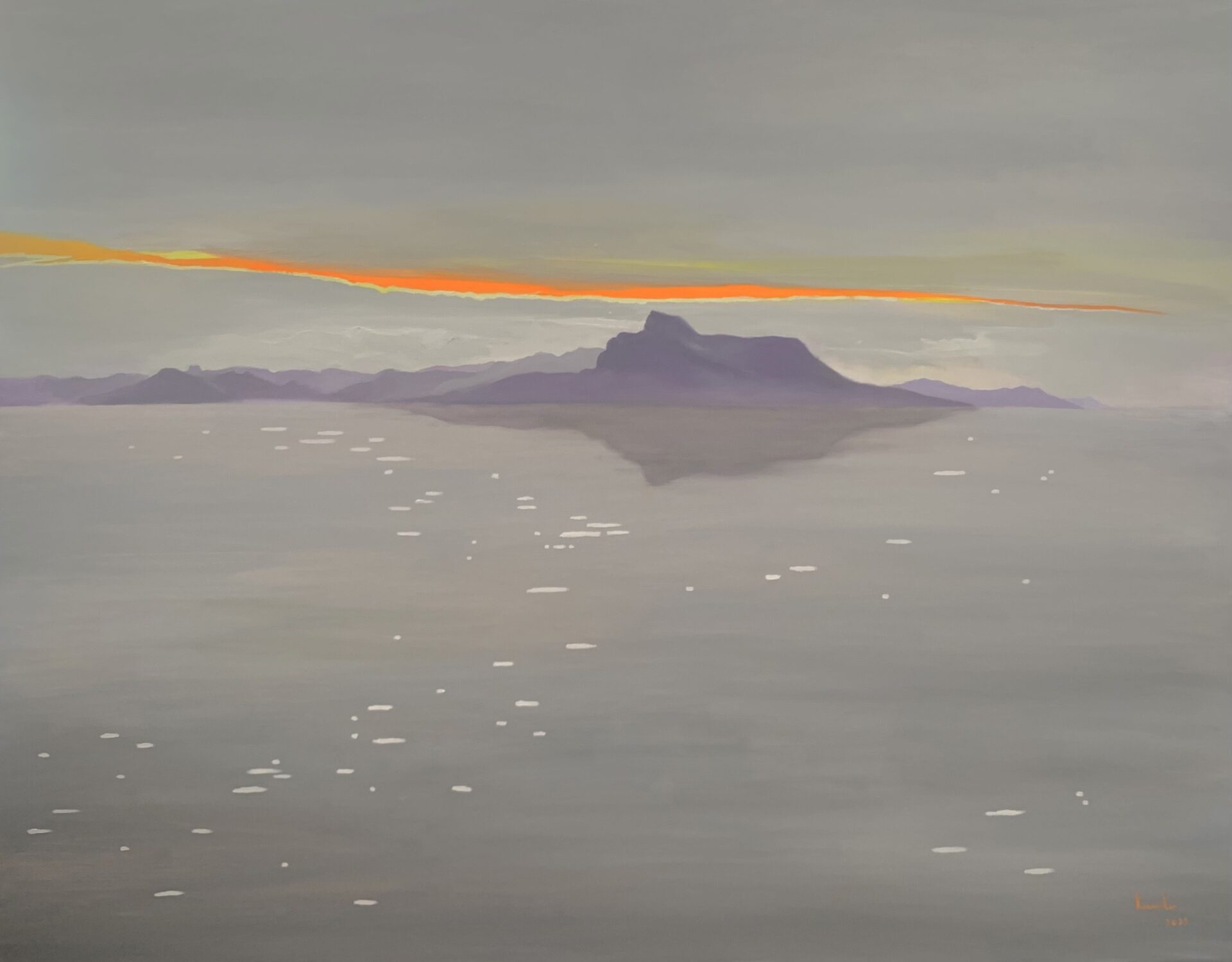
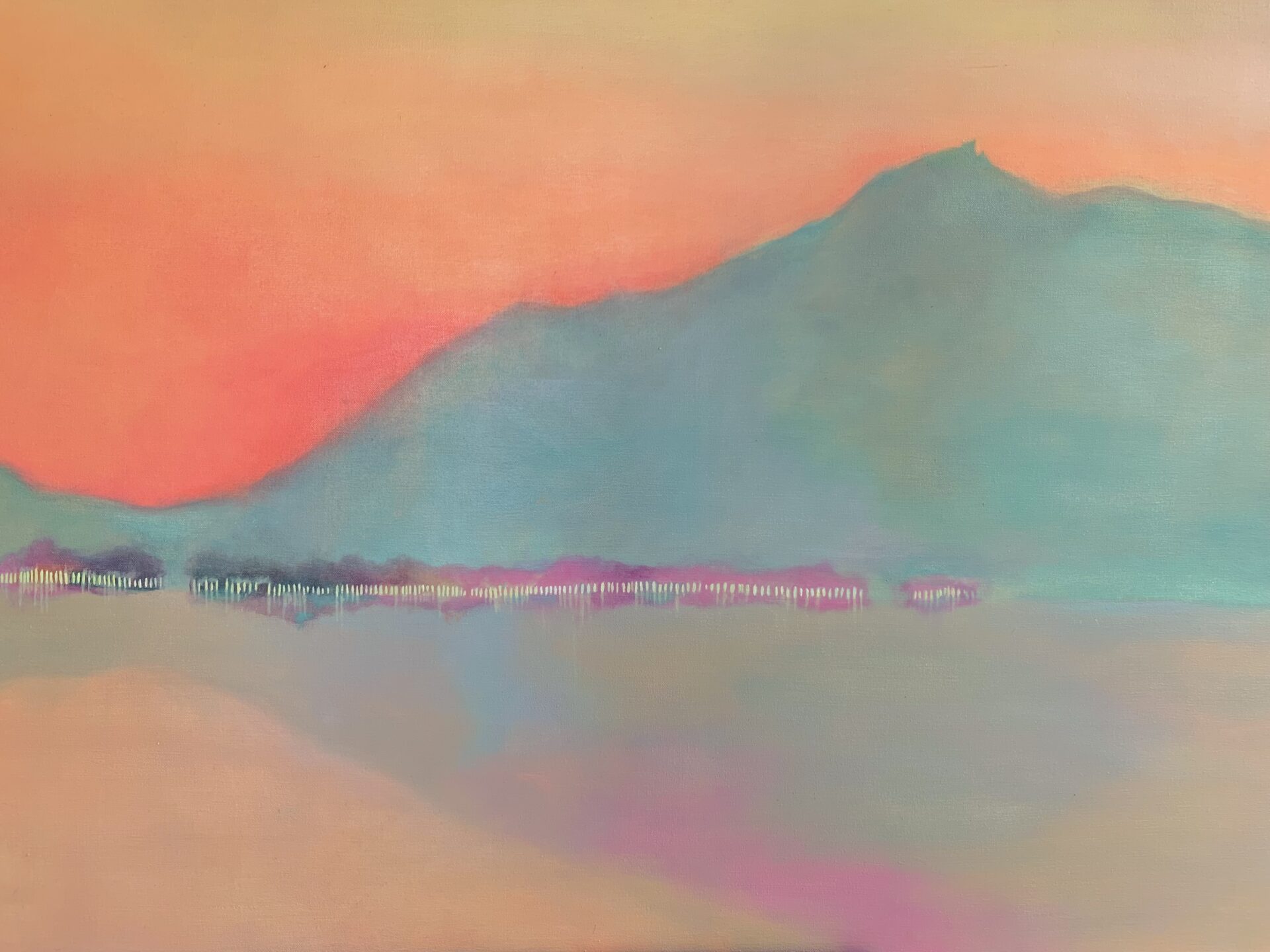
Son rayonnement s’affirme à travers des expositions locales et internationales significatives. Après sa première exposition solo en 2009 à la galerie Malcolm de Chazal sur le thème “Femmes, féminins, pluriels”, Kamila présente en 2024 sa deuxième exposition solo “Pulse” au Caudan Arts Centre, rassemblant une vingtaine de tableaux réalisés ces dernières années. Sélectionnée en 2023 pour l’exposition internationale Africa Speaks-54 reliant les 54 pays africains à Dubaï, puis participant trois années consécutives au Salon de Mai du MGI (2022-2024), elle inscrit son travail dans une dynamique de partage et de dialogue avec un public élargi. Ses œuvres, profondément ancrées dans la vie quotidienne mauricienne et les couleurs vibrantes de la nature locale, traduisent ses impressions et sentiments à travers des compositions qui captivent le regard et suscitent une palette d’émotions chez les spectateurs.
Beyond technical virtuosity, Kamila Hurnaum embodies the storyteller-artist exploring human identity and emotion. The female figure remains ubiquitous in her creations, but it is after a deep introspective work, including meditation and therapy, that she manages to paint childhood, a theme long blocked by past suffering. Her paintings then become visual intimacy journals where surrealism and realism coexist, where opposite colors intersect to create ambiances both melancholy and optimistic. Refusing now to paint for pleasure, she created to express what she feels, allowing each viewer to freely dialogue with her works. Her characters, whom she considers as children she has children, welcomes her in each evening’s artwork where she explores a simple, unintelligible environment of things, but
Works by Kamila Hurnaum